Property type: Office
Office Bridging Loans Derby
We arrange bridging finance against office property across Pride Park, the Cathedral Quarter, Friar Gate and the rail-engineering corridors south of the city. Loan sizes run £200,000 to £15 million, terms from 1 to 24 months, with completions in 7 to 21 days. Most office bridges price between 0.75% and 1.35% per month depending on covenant, vacancy and the credibility of the exit. The book skews toward repositioning, refurbishment and change-of-use rather than vanilla investment hold.
- Decisions in hours
- Completion in days
- £100k to £25m
- Derbyshire specialists
The asset class
What office property looks like in Derbyshire.
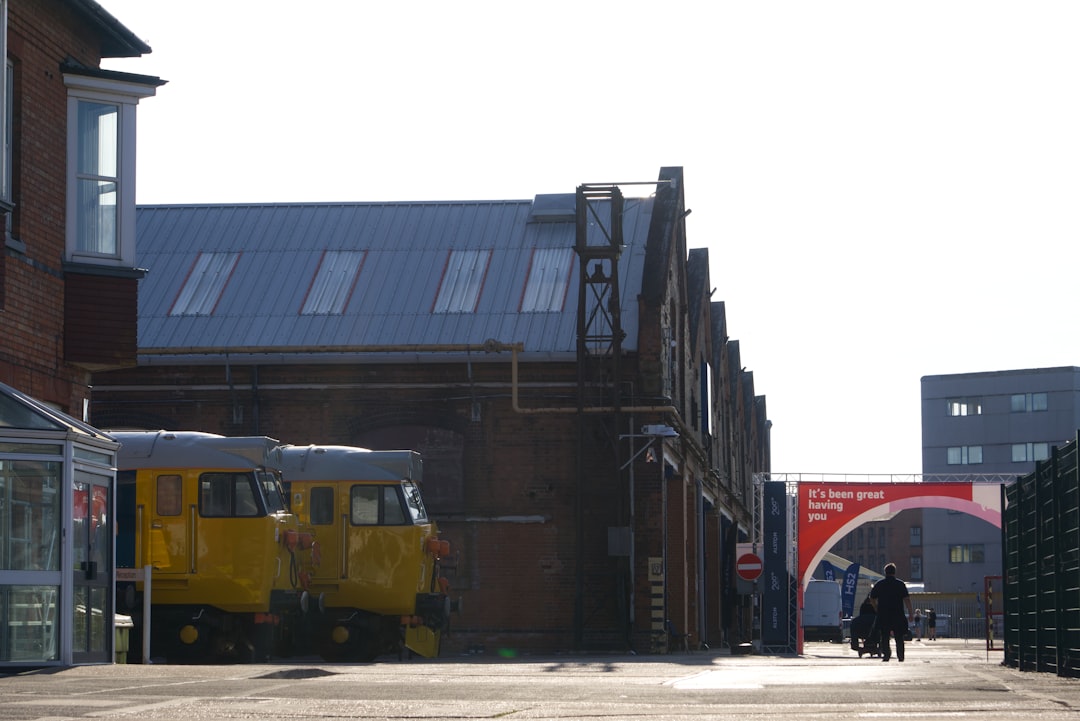
Office stock in Derby ranges from the Grade A floors at Pride Park near the railway station, through the secondary 1970s and 1980s blocks in the centre, through to converted Georgian and Victorian terraced offices around Friar Gate and the Cathedral Quarter. The market is bifurcated. Well-located, well-specced floors at Pride Park with parking and air-conditioning let well, often to defence and rail-engineering occupiers tied to the Rolls-Royce, Alstom and Toyota supply chains. Secondary blocks have struggled with hybrid working and many are candidates for residential or hotel conversion under permitted development or full planning. Each of those positions reads differently to a bridging lender and the underwriting follows.
Use cases
Bridging use cases for office assets.
Office bridging in Derby clusters around six use cases. The first is repositioning of secondary stock, where a buyer takes a half-empty block on the edge of the Cathedral Quarter, refurbishes the common parts and the floors, and re-lets at a higher tone. The second is change-of-use to residential under permitted development, particularly the older office stock around Friar Gate, St Mary's Gate and the back of the Cathedral Quarter where Class MA conversions have driven a steady share of the Derby bridging book. The third is purchase of single-let investments with short unexpired terms, where the buyer expects either a re-gear or a vacant possession play. The fourth is development-exit where an office-to-resi conversion has reached practical completion and the units are marketing; bridging refinances the development facility while the sales close out. The fifth is capital raise against a low-LTV owner-occupied office, often by a professional services firm or an engineering consultancy near Pride Park. The sixth is auction purchase of small office buildings, typically below £1 million, where the 28-day clock pushes the deal into bridging rather than term debt.
Derby context
Rail Engineering, Pride Park and Cathedral Quarter Office Conversions
Derby's office demand sits on top of an economy that is materially different from the rest of the East Midlands. Rolls-Royce at Sinfin remains the largest single employer, with the civil aerospace and defence engine programmes drawing a Tier 1 and Tier 2 supplier base of engineering consultancies, design houses and software firms across DE24 and into the rail-engineering corridor at Litchurch Lane. Alstom's rolling-stock plant at Litchurch Lane carries a parallel engineering supply chain. Toyota's UK manufacturing base at Burnaston just south-west of the city anchors a third automotive-engineering occupier set. Pride Park is the focal modern office district, a 1990s and 2000s business-park development laid out on the former railway land east of the station, with Grade A floors taken by engineering consultancies, the Derby County football operation and a clutch of professional services firms. The relevant point for a bridging case is that office demand in Derby is driven by aerospace, rail and automotive engineering rather than by the speculative tech-and-creative demand that drives Manchester or Nottingham. There are two repeat structural plays that we see often. The first is office-to-resi permitted-development conversions in the Cathedral Quarter, where Georgian shop-and-office buildings around Sadler Gate, St Mary's Gate and Friar Gate are bought, converted to apartments under Class MA, and exited to BTL refinance or sale. The second is Pride Park leasehold office investment that the buyer plans to turn into a managed short-let or serviced-office product, with the bridge funding the acquisition and refurbishment and the exit being refinance to term commercial debt once the new income is established. Lenders who understand the Derby occupier base price the asset correctly. Generalist lenders price it as a small Midlands secondary office market and miss the deal.
Valuation and lenders
Valuation and lender considerations.
Office valuations come back on yield-and-rent for income-producing assets, vacant possession for empty floors, and residual or GDV for conversion plays. Bridging lenders generally lend on the lower of the relevant figures. LTV caps sit at 60 to 65% on vacant secondary office, 65 to 70% on tenanted investments with a recognisable covenant, and 60 to 65% on as-is value where the case is a conversion play with day-one drawdown plus a refurbishment tranche. Octane Capital, United Trust Bank and Hope Capital all run office bridging in Derby, with ASK Partners, OakNorth and Allica Bank stronger at the larger end of the Pride Park stock and Glenhawk active on the conversion cases. Lenders care about planning position, covenant strength and the realism of the exit. Vague exits kill office cases harder than any other asset class.
What we arrange
What we typically arrange.
A typical Derby office bridge sits at £400,000 to £3.5 million, 60 to 70% LTV, 9 to 15 months term, 0.75 to 1.25% per month, arrangement fee 1.5 to 2%. We package the planning position, the covenant evidence and the exit plan up front so the lender sees the case the way the underwriter needs to see it. Conversion cases include a monitored works tranche; investment-purchase cases focus on the lease and the refinance route. Completion in 14 to 21 days is normal where the title and planning are clean. Where there is a contested planning position, the underwriting takes longer and the rate moves up.
FAQs
Office bridging questions
Can we bridge an office to residential conversion in the Cathedral Quarter?
+
Yes. Office-to-residential conversions under Class MA permitted development and under full planning have been a steady part of the Derby bridging book since 2017. We arrange the day-one purchase tranche against the as-is office value, a works tranche released against monitoring sign-off, and exit to BTL refinance for held units or open-market sale for disposals. The Cathedral Quarter conservation area constrains external changes, so the planning position is checked before going to lender, and we work with planning consultants who know the Derby City Council policy on these conversions.
What LTV is realistic on a vacant Pride Park office block?
+
Most lenders cap at 60 to 65% LTV against vacant possession value on a secondary office. Pride Park investment stock with a credible repositioning plan, a strong borrower track record, and a realistic refinance exit on a refurbished and re-let basis can clear 65%. Day-one LTV against purchase price can sit higher where the property is materially below market value, with the gap closed by an independent valuation. The exit drives the LTV more than the entry, so a clear refinance route opens the door to better terms.
Do bridging lenders take Derby office cases backed by Rolls-Royce supplier tenants?
+
Yes. Engineering consultancies, design houses and software firms tied to the Rolls-Royce civil aerospace and defence supply chain are recognised covenants. The same applies to Alstom rail-engineering tenants and Toyota automotive consultancies. Lenders price for unexpired lease term, break clauses and any prime-contract dependency, with the strongest cases sitting at 65 to 70% LTV and the lower end at 60%. The presence of the Sinfin aerospace cluster and the Litchurch Lane rail operations is generally seen as a stabilising factor for office demand in DE21 and DE24.
Tell us about the deal
Indicative terms within 24 hours.
A short triage call, then a sized indicative offer against a named lender for your office property in Derby or across Derbyshire.
Regulated bridging on owner-occupied residential property falls under FCA regulation. Unregulated bridging on commercial and investment property does not. We are not directly regulated by the Financial Conduct Authority, and we introduce regulated cases to authorised partners who carry out the regulated activity.
Next step
Talk to a Derby office bridging specialist.
We arrange short-term finance on office property across Derby, the City of Portsmouth unitary authority and the wider Derbyshire market. Indicative terms in 24 hours.